Courses in College

Be inspired by the gamut of community college courses, from the arts to technical training. This section will cover everything from remedial classes to continuing education. Community colleges offer courses for youth and teens, individuals looking for a new hobby or skill, or those behind bars looking for a second chance.

View the most popular articles in Courses in College:

10 Online Degrees to Consider at Your Local Community College

Updated
|
10 Online Degrees to Consider at Your Local Community College
Explore the top online degree programs available at community colleges today, enabling students to earn their two-year degrees conveniently from home.

Are you looking for a new career but don’t have time to re-train? Think again. Community colleges nationwide offer complete online degree and certification programs that allow you to hone your skills or train for a new profession right from home. These online programs are flexible without sacrificing the quality training you need to advance professionally. Whether your interests lean toward education, law enforcement, business, or manufacturing, check out these online degree programs that could launch you on a whole new career path.

Forensic Studies

Hudson Valley Community College offers an online degree program in forensic studies for those who want to learn the finer points of this area of criminal justice. The program is available fully online and is designed specifically for students interested in transferring to a four-year program after earning an associate degree. The school has arranged for a seamless transfer process with John Jay College of Criminal Justice, one of the country's top institutions for forensic science training. Coursework will include interesting subjects like biology, criminal investigation, and forensic evidence.

Teaching Assistant

Another online option at Hudson Valley is training toward certification as a teaching assistant in New York. The 18-hour course is available fully online, in the classroom, or as a hybrid program combining both online and classroom learning. The program is focused on training educators to manage a diverse body of students in the


. . .read more

Community College: Creative Arts Programs

Updated
|
Community College: Creative Arts Programs
Express yourself! We paint a picture of the more creative community college degrees for those with a natural artistic flair.

Do you have a creative spirit waiting to be unleashed on the world? Then put your talents to lucrative use with a degree from your local community college. With many artistic degree programs waiting for you, get ready to explore the many avenues you can pursue with your ability. These 10 community college degree programs represent just a smattering of the many possibilities waiting for students who want to let their artistic side shine.

Photography

Document your world in photos with a photography degree from the community college of your choice. Many schools across the country offer degrees in photography, including coursework in studio photography, black-and-white photos, and digital color techniques. Many will include photography history and theory classes to round out your studies. This degree can launch a career in your own studio or work on staff as a photographer with a larger company.

Jewelry and Crafts

Create beautiful accessories to match any style and mood with a degree program in jewelry and crafts. El Camino Community College in California is just one of the schools that offer a degree program in jewelry making and design. This program teaches students to work with gems and precious metals to express their own artistic style. Coursework might include stone cutting and polishing, metal finishing, enameling, and gemology. Students may also delve into basic design concepts and guidelines for establishing their own personal style.

Theatre Arts

William Shakespeare once said, "all the world’s a stage, and all

. . .read more

10 Fun Non-Credit Courses Offered by Community Colleges

Updated
|
10 Fun Non-Credit Courses Offered by Community Colleges
Are you looking to learn and have fun at the same time? Be inspired by 10 interesting non-credit courses offered by community colleges that adults can take for personal enrichment and fun.

Community colleges have become the go-to place for professional training of all kinds, but the benefits of these local schools extend far beyond the professional realm. Many adults head to community college to hone a craft, discover a hobby, or learn something new. Whether your interests lie in writing, gardening, or arts and crafts, a class at community college may be the perfect way to take your interest to the next level. Even if you want to delve into a subject you have never explored, a community college course may open the door to a new field of interest. Check out these non-credit courses community colleges offer to help adults in the community find new interests, hobbies, and activities.

Grow Native Plants

Carroll Community College in Maryland offers a non-credit course that teaches students to grow native plants in the area right in their own backyards. According to the Eldersburg Patch, the class is taught by a licensed landscape professional. It includes the benefits of growing native plants, identifying species, and properly caring for native vegetation. The course also teaches students how to incorporate native plants into their backyard landscape for an eye-pleasing look both homeowners and neighbors will love. Finally, students will learn how to select plants attracting natural wildlife to their property.

This video explains what's involved with cultivating native plants.

Whip Up a New Dish

. . .read more

Remedial Education Leaves Many Colleges in a Quandary

Updated
|
Remedial Education Leaves Many Colleges in a Quandary
Although many students need some remedial education before beginning college coursework, statistics show dismal completion rates for those who begin in remedial classes. We take a closer look at the problem, as well as some of the ways colleges are tackling it.

Remedial education is a core component of community colleges today, as more students enter the world of higher education unprepared for the rigors of a college-level curriculum. However, remedial education has been linked to a low completion rate at some schools, where hours of class time in unrelated, remedial courses interfere with a student’s ability to earn a degree in a reasonable amount of time. With many factors weighing on a college’s ability to offer efficient remedial education, some schools are taking innovative approaches to the idea of preparing students for the rigors of higher education.

This video looks at the issue of remedial courses in community college.

The Prevalence of Remedial Education

An article at the Hartford Courant suggests that too many incoming freshmen are getting placed in remedial classes before they can take actual college coursework. The Courant reports that as many as 60 percent of all students entering community college must take at least one refresher course in math or English. What is even more unsettling is that only about one-quarter of these students go on to actually complete their degree program.

The publication also cites statistics from the Community College Research Center that show one-third of these students could pass a regular college course with a grade of a “B” or better, even without the remedial coursework under their belts. These numbers certainly seem to suggest that students are getting placed in remedial classes more often than is necessary.

. . .read more

Lucrative Career Switches: Paralegal, Dental Assistant, and More

Updated
|
Lucrative Career Switches: Paralegal, Dental Assistant, and More
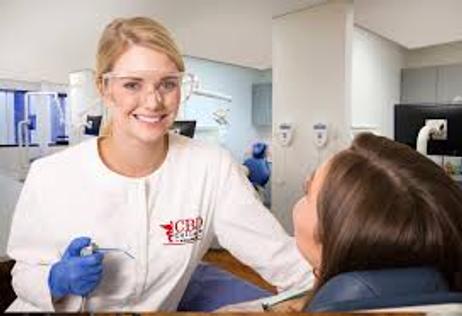
Make a lucrative career switch in two years or less by earning a degree or certificate as a paralegal, health information management, dental assistant, and pharmacy technician at your community college.

Whether you need to switch careers to find a more lucrative position or simply want better job stability than your current place of employment, a community college is a good place to start. These two-year schools can help you change career tracks much faster than a traditional four-year school, and many offer career placement services to high-demand industries in the area. Check out these career options that require two years of training or less if you are getting ready to make a big switch.

Paralegal

Those who are fascinated by the field of law, but don’t want to spend the next few years of their life in school, can find their niche as a paralegal. This professional works alongside lawyers, conducting research, writing briefs, and interacting with clients. According to Yahoo Education, those who already hold a bachelor’s degree in another field of study may be able to earn a certification to work as a paralegal in as little as a few months. Another option is to pursue an associate degree in paralegal studies, which takes just two years to complete.




The Bureau of Labor Statistics cites the average annual salary for a paralegal in May 2010 as $46,680. Predicted job growth for the industry is estimated to be around 18 percent between 2010 and 2020. This position is typically found in a law firm, corporate legal office, or government agency.

This video explains how to become a paralegal.

. . .read more

Recent Articles

Test Article, Image and Content
Test Test Test Test Test Test Test Test Test Test Test Test Test Test Test Test Test Test Test Test Test Test Test Test Test Test Test Test Test Test Test Test Test Test Test Test Test Test Test Test Test Test Test Test Test Test Test Test Test Test Test Test Test Test Test Test Test Test Test Test Test Test Test Test Test Test Test Test Test Test Test Test Test Test Test Test Test Test Test Test Test Test Test Test Test Test Test Test Test Test Test Test Test Test Test Test Test Test Test Test Test Test Test Test Test Test Test Test Test Test Test Test Test Test Test Test Test Test Test Test Test Test Test Test Test Test Test Test Test Test Test Test Test Test Test Test Test Test Test Test Test Test Test Test Test Test Test Test Test Test Test Test Test Test Test Test Test Test Test Test Test Test Test Test Test Test Test Test Test Test Test Test Test Test Test Test Test Test Test Test Test Test Test Test
Faith Formation Integrated Across Subject Areas
Explore faith formation integrated across subject areas and its impact on curriculum, student outcomes, and community colleges.
Parish-Based Governance Models in Catholic Schools
Explore parish-based governance models in Catholic schools and their impact on leadership, funding, and community colleges.

Courses in College

REMEDIAL EDUCATION
60% of community college students need remedial courses. This section covers the classes and new developments to help students who need remedial coursework. Learn why the gap exists, how schools are combatting it and what you can do to avoid remedial classes. Get tips on mastering college math, learn what you can do to prevent repeating a class and hear what the experts have to say about remedial class placement.
KIDS AND TEENS
Community college is not just for adults. Learn about all the programs available to children and teens too. From aiding high school dropouts to ramped up summer school programs, community colleges work hard to encourage the pursuit of higher education to students of all ages.
ONLINE COURSES
Online classes give you the flexibility to learn off-campus, often at times most convenient for your schedule. Identify 10 degrees you can earn online, weigh the pros and cons of online education and find out how you can take online classes for free.
SUPPORT FOR BUSINESSES
Local business are taking advantage of special training programs at community colleges. From OSHA training to a collaboration with Goldman Sachs, community colleges are training employees for small and large businesses across the country.
FUN & ELECTIVE CLASSES
Community colleges offer a gamut of fun and interesting classes, and we give ideas that may strike inspiration for your elective choices. Learn homesteading skills, study paranormal investigating, or earn a scuba diving certificate all at a community college near you. This sections identifies some of the fun non-credit courses available at your local campus.
CONTINUING EDUCATION
Community colleges are filled with continuing education opportunities. Whether you are looking for a resume booster, new skills to earn a promotion or want to earn your degree while incarcerated, community college may be a good choice for you.