Updated
|
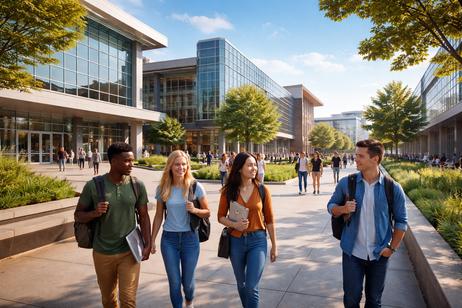
The Future of Community College: What It Means for Parents and Students
Explore The Future of Community College: What It Means for Parents and Students in 2026, including workforce programs, affordability, and transfer trends.

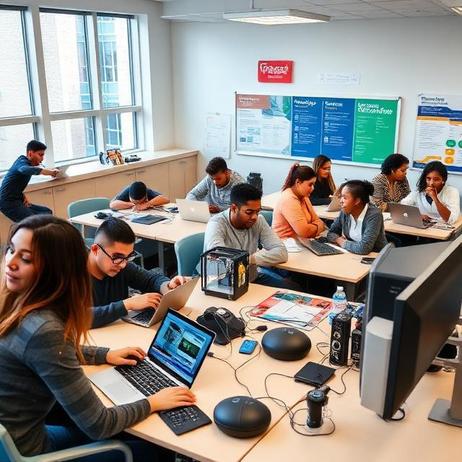
Community colleges have long served as an affordable, flexible gateway to higher education. In 2026, however, the conversation is shifting. Rapid technological change, employer partnerships, expanded transfer agreements, and new funding models are redefining expectations.

The Future of Community College: What It Means for Parents and Students is no longer simply about cost savings. It is about access to high-demand careers, stackable credentials, hybrid learning models, and a more direct connection between education and employment.

For families evaluating postsecondary options, understanding these changes is essential. Community colleges are evolving into agile workforce hubs, transfer pipelines, and lifelong learning centers, offering new opportunities and new considerations.

Enrollment Trends and the Post-Pandemic Reset

Community colleges experienced significant enrollment declines between 2020 and 2022. Since then, stabilization has occurred, particularly in career and technical education programs.

According to the National Center for Education Statistics, community colleges continue to serve millions of students annually, representing a substantial share of undergraduates nationwide. In 2026, growth areas include:

  • Healthcare and allied health programs

  • Advanced manufacturing and skilled trades

  • Information technology and cybersecurity

  • Early childhood and teacher preparation programs

Parents should note that enrollment rebounds have been strongest in career-focused programs tied to regional workforce needs. This signals a more employment-aligned future.

Workforce Alignment Is Driving the Model

One of the most

. . .read more

How Community Colleges Help Students with Disabilities

Updated
|
How Community Colleges Help Students with Disabilities
Explore how community colleges support students with disabilities through accommodations, accessibility services, and inclusive programs in 2026.

Understanding How Community Colleges Help Students with Disabilities is essential for families and students evaluating postsecondary options in 2026. With nearly one in five undergraduates reporting a disability, according to the National Center for Education Statistics, community colleges play a critical role in providing accessible, affordable, and flexible higher education pathways.

From academic accommodations and assistive technology to career planning and transition support, community colleges have steadily expanded services designed to ensure students with disabilities can succeed both in the classroom and beyond. For many learners, especially those seeking a supportive environment close to home, these institutions offer a balanced combination of affordability, individualized attention, and practical workforce preparation.

This article explores how community colleges help students with disabilities, what services are typically available, and what families should look for when evaluating programs.

The Legal Foundation: Equal Access in Higher Education

Community colleges operate under federal disability laws that guarantee equal access to education.

Two primary statutes shape campus policies:

Unlike K–12 education, where schools must identify and provide services under the Individuals with Disabilities Education Act, college students must self-disclose and request accommodations. Once documentation is provided, institutions are required to offer reasonable accommodations that ensure equal access to academic programs.

In

. . .read more

Community College Rankings by Category 2026

Updated
|
Community College Rankings by Category 2026
Explore the 2026 community college rankings by category, including affordability, transfer success, online programs, and workforce outcomes.

Community College Rankings by Category for 2026

Community colleges continue to evolve in response to workforce demands, student expectations, and affordability concerns. In 2026, community college rankings by category offer families and adult learners a more nuanced way to evaluate schools beyond simple graduation rates or enrollment figures.

Rather than focusing on a single, overall ranking, today’s leading evaluations compare institutions across categories such as affordability, transfer success, workforce outcomes, online education, and student support. This approach reflects the diverse missions of public two year colleges and the varied goals of the students they serve.

Below is a detailed look at the 2026 community college rankings by category, what they measure, and which institutions stand out nationally.

Why Category-Based Rankings Matter in 2026

Community colleges serve nearly one third of undergraduates in the United States, according to the National Center for Education Statistics. Their missions range from university transfer preparation to career and technical education, adult retraining, and dual enrollment for high school students.

Because missions vary, category-based rankings provide more meaningful insight. For example:

  • A student planning to transfer to a four-year university should prioritize transfer rates and articulation agreements.

  • An adult learner seeking rapid employment may focus on workforce placement and industry partnerships.

  • A family concerned about debt will examine tuition, net price, and financial aid accessibility.

If

. . .read more

Most In-Demand Community College Majors for 2026

Updated
|
Most In-Demand Community College Majors for 2026
Discover the most in-demand community college majors for 2026, including healthcare, tech, skilled trades, and business programs with strong job growth.

Most In-Demand Community College Majors for 2026

Community colleges continue to play a vital role in preparing students for high-demand, high-growth careers. As tuition costs at four-year institutions rise and employers prioritize practical skills, more students and families are turning to two-year degrees and certificates as smart, strategic pathways.

The most in-demand community college majors for 2026 reflect broader economic shifts. Healthcare workforce shortages, rapid technological advancement, infrastructure investment, and supply chain modernization are driving enrollment trends nationwide. According to the U.S. Bureau of Labor Statistics, healthcare and technology occupations will account for a significant share of new jobs added this decade, with many roles requiring associate degrees or industry credentials rather than bachelor’s degrees.

Below is an updated look at the most in-demand community college majors for 2026, including why they matter and what students can expect in terms of career outlook.

Healthcare Programs Lead the Way

Healthcare remains the dominant sector among the most in-demand community college majors for 2026. Aging populations, expanded access to care, and persistent staffing shortages continue to fuel demand.

Nursing

Registered Nursing, typically completed as an Associate Degree in Nursing, remains one of the most popular and competitive programs nationwide. The U.S. Bureau of Labor Statistics projects steady growth in registered nurse positions through the decade, with strong demand in hospitals, outpatient clinics, and long-term care facilities.

Community college nursing programs are particularly attractive because they:

. . .read more

From Community College to Ivy League: Is It Possible?

Updated
|
From Community College to Ivy League: Is It Possible?
Can students transfer from community college to the Ivy League? Explore pathways, data, 2026 trends, and expert insights.

From Community College to Ivy League: Can It Really Happen?

For decades, the path to an Ivy League education has been associated with elite preparatory schools, legacy admissions, and near-perfect academic records. Yet in 2026, a different narrative is gaining visibility: students beginning at community colleges and transferring to institutions such as Cornell or Columbia.

So, From Community College to Ivy League: Can It Really Happen? The short answer is yes. The longer answer requires nuance, preparation, and strategy.

Community colleges enroll nearly 40 percent of all undergraduates in the United States, according to data from the National Student Clearinghouse Research Center. As tuition costs continue to rise and families prioritize financial flexibility, more students are beginning locally and aiming high.

This article examines how realistic the journey is, what Ivy League schools actually look for in transfer applicants, and what students and families should understand in 2026.

Understanding the Transfer Landscape

Transfer admissions differ significantly from first-year admissions.

Ivy League institutions do accept transfer students, but the numbers are limited and highly competitive. Some schools, such as Princeton, have expanded transfer pathways in recent years to increase socioeconomic diversity. Others, including Harvard and Yale, admit only a small cohort annually.

Among the Ivies, Cornell University consistently enrolls the largest number of transfer students. Its official transfer admissions page outlines specific articulation pathways and college-level expectations, including GPA benchmarks and course prerequisites. Families can review these requirements directly

. . .read more

Recent Articles

Test Article, Image and Content
Test Test Test Test Test Test Test Test Test Test Test Test Test Test Test Test Test Test Test Test Test Test Test Test Test Test Test Test Test Test Test Test Test Test Test Test Test Test Test Test Test Test Test Test Test Test Test Test Test Test Test Test Test Test Test Test Test Test Test Test Test Test Test Test Test Test Test Test Test Test Test Test Test Test Test Test Test Test Test Test Test Test Test Test Test Test Test Test Test Test Test Test Test Test Test Test Test Test Test Test Test Test Test Test Test Test Test Test Test Test Test Test Test Test Test Test Test Test Test Test Test Test Test Test Test Test Test Test Test Test Test Test Test Test Test Test Test Test Test Test Test Test Test Test Test Test Test Test Test Test Test Test Test Test Test Test Test Test Test Test Test Test Test Test Test Test Test Test Test Test Test Test Test Test Test Test Test Test Test Test Test Test Test Test
Faith Formation Integrated Across Subject Areas
Explore faith formation integrated across subject areas and its impact on curriculum, student outcomes, and community colleges.
Parish-Based Governance Models in Catholic Schools
Explore parish-based governance models in Catholic schools and their impact on leadership, funding, and community colleges.