Transfer Process

Many community college students transfer to four-year institutions. Be prepared to make a swift and easy transfer with these articles. Determine the most transfer-friendly universities, learn why some 4-year schools are limiting transfer students, and get tips on ensuring your credits go with you.

View the most popular articles in Transfer Process:

Why Don’t More Community College Students Transfer to Four-Year Schools?

Updated
|
Why Don’t More Community College Students Transfer to Four-Year Schools?
Explore the reasons behind low transfer rates from community colleges to four-year institutions, including financial obstacles, academic challenges, and systemic barriers. Learn about the success of those who do transfer and get tips for improving your chances of a successful transition.

Nearly six million students are enrolled in community college each year, many with the intent of eventually transferring to a traditional four-year university. That transfer is not without challenges, however, as many schools don’t accept all community college credits, and transfer acceptance rates remain relatively low. Those who do make the transfer tend to succeed. So, why do colleges and universities overlook community college students, and why do more students not transfer?

In this article, we’ll look at the statistics for how many community college students move on to four-year colleges and universities. We’ll also explore the data on how well they perform and provide some tips for community college students considering transferring.

How Many Community College Students Transfer?

As college tuition costs continue to rise and more families struggle to make ends meet, the number of students who choose to start their college education at community college continues to grow. Community college appeals to many because the tuition is typically more affordable, and other costs can be kept low by living at home versus on campus. Community colleges also offer flexible scheduling for non-traditional students, including single parents and adults returning to school.

According to an article published by the National Student Clearinghouse, about 80% of entering community college students want to earn a bachelor’s degree or higher, making them likely to transfer to a four-year college at some point. However, only 29% of community college students who started classes in the


. . .read more

Avoid Losing Community College Credits When Transferring to a University

Updated
|
Avoid Losing Community College Credits When Transferring to a University
One out of 10 community college students lose their credits when they transfer to a four-year university. Don't become one of these statistics, and learn how to ensure your hard-earned credits are transferred.

A recent study shows that one out of every ten community college students loses nearly all of their credits upon transferring to a four-year institution. In fact, just 58 percent of students who being their studies at a two-year institution report having more than 90 percent of their credits transferring to a baccalaureate program at a four-year college or university. As a result, a large number of students who dream of obtaining an undergraduate degree never get one because the credits they worked so hard to obtain do not count at their new school.

An Uphill Battle

Students who begin their post-secondary education at a community college are already less likely to graduate with a bachelor’s degree than their peers who begin study at a four-year institution. This is not to say that community colleges are somehow failing their students, rather, it is most likely life events that curtail a student’s educational aspirations. Family issues, financial difficulties, or changes in job or childcare availability are just a few common issues that force community college students to put their studies on hold. Unfortunately, the already narrow likelihood that a student will get a bachelor’s degree is further diminished when they take a break from school to attend to life’s pressing issues.

This video offers some suggestions on how to transfer from a community college to a four-year institution.

Even when students are

. . .read more

Why are Universities Turning to a Reverse Transfer System?

Updated
|
Why are Universities Turning to a Reverse Transfer System?
The reverse transfer is growing exponentially in popularity. This is a more and more common new policy among many institutions to allow transfer of credits from four-year universities to community colleges. Why is it done, and who benefits from the policy?

Many community colleges across the country have transfer agreements with four-year schools, which allow students to easily transfer credits from the community college level and apply them toward a four-year degree program. Now, a whole new type of program is cropping up among two and four-year schools from coast to coast. Instead of transferring credits from community colleges to universities, schools are now allowing agreeing to reverse transfers, which allow students to take credits from their four-year institution and apply them to their community college degree.

The Reverse Transfer System is Introduced

While transfers to four-year schools provide clear benefits and a subsequent rise in popularity, the assurance of transferring credits from the university level to the local community college creates a more complex array of advantages. This process is a relatively new one that is just beginning to be introduced in college systems nationwide.

Many students who begin their college work at a community college move to a four-year institution before completing their associate degree. While credits may transfer to the four-year school, the student is left without a degree to underscore the work they put into their first college efforts. Until the bachelor’s degree is finished – which may take many more years of education – the student has little to show for his time, effort and money.

At the same time, community colleges are forced to report dismal completion rates – in some cases possibly affecting their ability to receive funding.

. . .read more

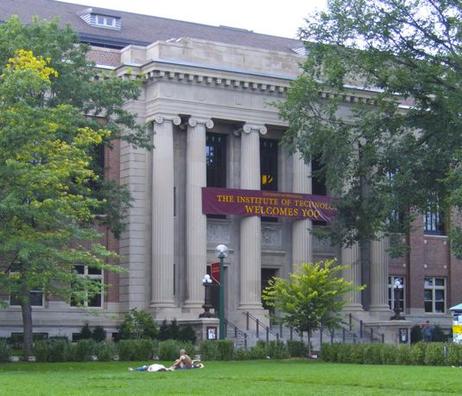
University of Minnesota to Limit Transfer Students

Updated
|
University of Minnesota to Limit Transfer Students
A recent decision by the University of Minnesota will limit the number of transfer students it will accept. How will this decision impact community college students in the area?

In what has been called a major setback for Minnesota community college students, the University of Minnesota has formally announced plans to reduce the number of transfer students to the school. While the university claims that the decrease will be just a “drop in the bucket” regarding total transfer numbers, students and community college officials are voicing their concerns over the policy change. With community college enrollment increasing nationwide, it is possible that other universities will eye the new University of Minnesota policy with interest as they grapple with their own issues regarding a rising number of transfer students.

Pulling Back the Welcome Mat

According to a report at TwinCities.com, the welcome mat has a history of being extended to transfer students at the University of Minnesota. In 2009, the school accepted 3,260 new transfer students, making up nearly 40 percent of its new student population. However, the university plans to cut the number of transfer students they accept by roughly eight percent over the next two years, translating to around 300 transfer students. The university cites various reasons for their decision, including their desire to form a solid, four-year relationship with more students coming to the school. The school has also stated that fluctuating transfer numbers from year to year strain university resources.

This video shares one student's experience at North Hennepin Community College.

Another concern from some university officials is the

. . .read more

2+2 Programs Going Strong at Community Colleges Nationwide

Updated
|
2+2 Programs Going Strong at Community Colleges Nationwide
Learn about programs offered by community colleges that allow students to earn a two-year degree and then go on to earn a bachelor’s degree either online or at a nearby university.
2+2 programs match up the puzzle pieces of the transfer process.

Students who are serious about earning a four-year degree will find that community college may be a good place for them to begin the process. Thanks to “2+2” programs cropping up across the country, students can now enroll in community college with their eyes set on goals after the associate degree is earned. Through partnerships with nearby universities and online programs, students have a precise educational direction that starts at community college and continues on through the four-year degree program. We’ll take a look at what a 2+2 program offers community college students, as well as examine some of the 2+2 programs going on around the country today.

What is 2+2?

According to a report at the Grand Island Independent, a 2+2 program is one that begins in a community college, with a two-year associate degree or certification program. Coursework taken at the community college then transfers to a four-year program, allowing the student to complete a bachelor’s degree in the same amount of time it would have taken if they had gone to the four-year institution right out of high school. Because the program is a partnership between the schools, students enter community college with a four-year end in sight and select courses at the first institution that will help them to achieve their ultimate goals.

The community college and four-year school work together to ensure all of the courses they offer complement each other for an overall, comprehensive degree program.

. . .read more

Recent Articles

The Benefits of Community College Clubs in 2026
Discover how community college clubs boost success, skills, and connections for students in 2026.
What Is a Community College? 2026 Guide for Students
Learn what a community college is, how it works, costs, programs, and benefits in this updated 2026 guide for students and families.
What GPA Do You Need to Transfer to a University?
Learn the GPA needed to transfer from community college to a university, including requirements for top schools and tips to strengthen your application.